Bad Breath and Oral Care
Halitosis is a term used to define bad breath. According to studies conducted, halitosis effects about 85% of people who have one or more dental problems. The problems include: oral cancer, periodontal (gum) disease, cavities, bacteria on the tongue and/or generally, poor dental hygiene.
Practicing a good oral hygiene program which includes regular dental checkups and cleanings, flossing daily, and brushing your teeth & tongue at least twice a day can help to reduce and even eliminate halitosis. Some at home strategies to help you combat halitosis include the following:
- Maintaining Good Diet and Nutritional Health
- Cleaning the Tongue
- Chewing Sugarless Gum
- Using a Mouthwash Designed for Bad Breath
- Drinking Lots of H2O (Water)
- Develop or Maintain a Consistent Oral Hygiene Program
Eating a healthy breakfast that includes "rough" foods such as dry toast or a bagel. This will help clean the back of the tongue.
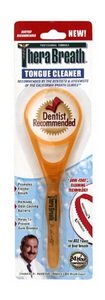
Many of the bacteria which causes bad breath can be attributed to the tongue. Clean the surface of the tongue at least twice a day using a tongue brush, scraper or cleaner, such as the Premium Tongue Cleaner by TheraBreath. Tongue cleaners are designed to remove bacterial biofilm, debris and mucus on the tongue area. In the absence of a tongue cleaner, using an inverted teaspoon, is also an effective replacement. In addition, try applying a small amount of antibacterial mouth rinse or tongue gel onto the tongue surface to decrease the amount of bacteria on this area. Note: Never use a toothbrush to clean the tongue - the bristles may scrape the tongue, causing damage.
Using TheraBreath tongue cleaners are one of the best ways to remove all the gunk and debris that collects on the surface of your tongue, particularly over night. It safely cleans and allows the active ingredients in our toothpaste to penetrate the surface of your tongue, helping to quickly eradicate the bacteria responsible for bad breath, gum disease, and cavities.
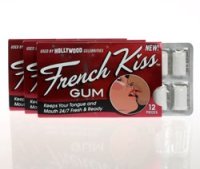 This gum is used by Hollywood celebrities before they kiss on camera! Based on Dr. Katz strong TheraBreath PLUS Formula, this powerful gum obliterates odors instantly. Prepare for that important kiss by chewing a quick piece of this tasty and powerful gum designed to eliminate bad breath completely. Don't worry about that first impression. |
Use sugarless gum to increase saliva production. A dry mouth increases bacterial buildup that can make bad breath even worse. It has been suggested that chewing sugarless gum, which helps in the production of saliva, be used. Chewing is particularly helpful when the mouth is dry, or when it is not convenient to practice oral hygiene care (e.g., after high protein latent meals). Chewing helps promote the production of saliva, which contains antibacterial properties that can helps to reduce the amount of bacteria in the mouth. Some chewing gums may also contain anti-odor ingredients. In the absence of chewing gum, fennel seeds, cinnamon sticks, or fresh parsley are common folk remedies that have been used. |
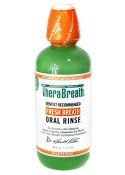 Stop your bad breath and end chronic halitosis by using TheraBreath Oral Rinse after brushing with TheraBreath Toothpaste. This amazing rinse uses the odor-obliterating power of OXYD-8 for treating bad breath, stopping halitosis and eliminating sour, bitter and metallic tastes in your mouth. |
Use an effective mouthwash, especially at night - right before going to bed. According to some studies conducted, there are several types of mouthwashes on the market that have been shown to reduce bad breath for hours. Note: Some mouthwash may contain ingredients that become inactivate when having contact with most toothpastes. It is highly recommended that you not use mouthwash directly after toothbrushing your teeth. Instead, rinse the mouth thoroughly with water after brushing your teeth - then follow up with mouthwash or mouth rinse. See the product label for more information on how to use the product. Some mouthwashes may contain antibacterial agents such as cetylpyridinium chloride, chlorhexidine, zinc gluconate, essential oils, and chlorine dioxide. They may also contain alcohol, which is a drying agent and may worsen the problem. Again, be certain to check the product label for indepth information to ensure that you are purchasing the correct product for your needs. |
Make sure you maintain the proper water levels in the body - drink at least 8 glasses of water a day to help flush out toxins. Colon Complex and Dual Action Cleanse are two products on products on the market that can help aid you with cleansing your body.
Colon Complex - 10 Day Free Trial
Did you know that the colon is a breeding ground for unhealthy bacteria. Get the truth about your digestive system and how it can work with Colon Complex to benefit your health and promote a healthy weight loss. Learn more about this amazing product!

Dual Action Cleanse
As Seen on TV, Dual Action Cleanse is an all-natural herbal formula that offers gentle, safe and effective whole-body internal cleansing without causing those uncomfortable symptoms often associated with similar products. Dual Action Cleanse today!
Follow a good oral hygiene program. This includes, brushing at least three times a day with a product such as AloeDyne™, a . AloeDyne™ Toothpaste is certified organic and with regular use, naturally helps against the causes of cavities, plaque, tartar, gum problems, bad breath and discoloration. You should also floss daily, and visit your dentist for annual checkups and dental cleanings. If you wear dentures, they should be cleaned and soaked overnight in an appropriate denture solution. Go here for more information on taking care of your dentures. For your convenience, below are video presentations which demonstrate proper brushing and flossing techniques. Additional videos can be found here. Feel free to share this information with family and friends and sign up for the Dental Clinic Manager newsletter. Get the latest lowdown on free and affordable dental care as it becomes available.
Other items that have been suggested for combating bad breath include the use of odor eliminators, like oxidizers, to eliminate existing bad breath. Rinses in this category include TheraBreath™ and Closys II™. Flossing is important for removing food debris and bacterial plaque in between the teeth, especially at the gumline.


|
|
|

Advertising

