Dental Bonding Procedures
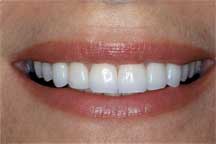
Dental bonding is a dental alternative sometimes used for structural and cosmetic purposes. If fillings or other dental work cause your tooth to appear darker than surrounding teeth, your dentist can use a bonding procedure to make the tooth the same color as the surrounding teeth. Teeth which contain spaces or chips can also be corrected with a bonding procedure. This is usually accomplished by the dentist applying a composite resin "paste" material which is applied to the front surface areas of the tooth. It is then shaped by the dentist and hardened with a high intensity light source, usually a laser. This hardens the resin securely to the tooth. The tooth is then sanded, smooth and polished until a match with your natural tooth shade is accomplished. The procedure usually requires a single dentist visit.
Dental bonding is one of the most popular cosmetic dentistry procedures performed for many individuals and is most effective with minor tooth structure issues. It also tends to look for life-like than a dental crown or dental veneers. A typical bonding has a life expectancy of about 5 to 10 years, a few years less than a dental crown or dental veneers. Despite this fact, it is easier to repair should a chip or break appear on the resin material. The average cost of a bonding can range between $300 and $700 per tooth. But, as new advances become less expensive, the price of bondings will decrease as well.
|
Tooth bleaching generally does not work well with bonding procedures and patients are usually advised to those teeth replaced. In addition, smoking will cause the resin to turn yellow quicker than that of a dental crown or porcelain veneers. Although rare, some individuals may experience an allergic reaction to the bonding resin material. Allergy symptoms include itching, burning, dermatitis, skin rash and blistering. If you experience any allergic reactions, contact your dental provider immediately. |


|
|
|

Advertising

