Cheapest Insurance for Dental Treatment
Dental coverage ranges from the cheapest insurance for dental treatment with practically no benefits, to full coverage plans with all the bells and whistles. This page explains some of the various types of dental coverage in its most simplest form to help you find the best insurance plan - a plan that offers the cheapest insurance for dental treatment, yet does not compromise quality care.
Dental Coverage Types
- Conventional Dental Insurance Plans
- Dental Reimbursement Plans
- Dental Group Plans
- Discounted Dental Plans
- State Funded Plans
Conventional Dental Insurance Plans

Conventional dental insurance plans are similar to conventional health plans. With this plan, you pay bi-weekly or monthly premiums in exchange for dental reimbursement between 50 and 100 percent of the treatment costs. Conventional plans are often provided by employers to their employees. But, this type of dental insurance can also be purchased directly through dental insurance brokers who provide you with insurance quotes.
Dental Reimbursement Plans
Dental reimbursement plans involve agreements between an employer and employee. With this type of plan, dental bills are reimbursed to the employee up to the agreed upon limit. Employees usually contribute into the plan with pre-taxed dollars taken from their salary. This type of plan can be beneficial as it lowers taxable income. Money is set aside into the reimbursement plan before salary tax is calculated. This money can then be be used to pay for deductibles and other expenses not covered by conventional dental health insurance plans. While there are no limitations on the dentist or procedure needed, with a dental reimbursement plan, there are limitations on the amount you can contribute into the plan.

Dental reimbursement plans also require, in addition to annual enrollments, a forecasted dollar amount that you commit to spend during the year. While the tax advantages are obvious, the disadvantage is that you can lose the money you have contributed into the plan. In cases where the money is not used, the company has the right to keep it.
Dental reimbursement plans require the ability to project what your dental expenses will be during any given year. Most people use their dental deductibles as a basis of the amount they want set aside. If you are planning to have major dental work, this type of plan can help offset the costs. But if your oral health is generally good, and you have no dental problems, you may only need to set aside enough funds to cover your deductibles and perhaps, a dental emergency. Overall, these plans tend to work best with conventional dental and health insurance plans, resulting in quality, yet cheapest insurance for dental treatment.
Dental Insurance Group Plans
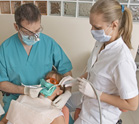
In cases where an employer does not offer private dental insurance to its employees, a voluntary dental insurance group plan is an option to explore. These plans offer opportunities to bargain with dental insurance companies for group rates, which may be generally lower than the rates for an individual dental insurance plan. While employees are responsible for paying the premiums, the savings are still substantial. Groups of employees have bargaining power and the larger the group of employees, the more beneficial it is for everyone.
Dental Plans
Far from being a conventional insurance plan, low cost dental plans are considered one of the most affordable coverage plans on the market. Dental plans involve paying a single fee, once a year, for program membership. As a member, you have access to a large network of dentists and receive discounted fees. Many people consider dental plans to be the cheapest insurance for dental treatment and are choosing to use these plans with other medical and dental plans, in order to maximize and save money on dental bills.
State Funded Plans
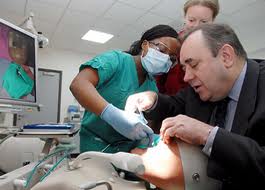
If you are in need of financial assistance in order to obtain dental care, contact your local dental society for information on dental care programs for which you may qualify. The dental society can assist you with locating programs and can refer you to low-cost dental care centers, such as public health clinics and dental school clinics. The fees charged at these facilities are minimal and are usually intended to cover the cost of materials and equipment.
In some states, affordable medical and dental insurance is available through Medicaid, a federal-state program designed to provide medical assistance for persons with low household income. Information about this program can be obtained from your state or county department of public welfare.
Other Resources
Other dental resources for the cheapest insurance for dental treatment include using dental payment plans or certain types of credit cards to pay for treatment. Dental payment plans involve a quick online application that can often result in immediate access to a credit line. Like some of the more savvy credit cards, the monthly payments are relatively low and can be used for procedures like dental implants, dental veneers and gum surgery.


|
|
|