Dental Abcess - Why it's important to get help quickly
A dental abcess is a bacterial infection of the mouth, face, jaw or throat that is the result of a tooth infection or cavity. It may also result from trauma to the tooth, such as when a tooth is broken or chipped. Openings in the tooth enamel allow bacteria to infect the center area (pulp area) of the tooth.
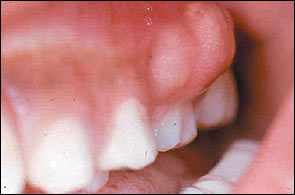
The abscess itself is a collection of pus (dead tissue, live and dead bacteria, white blood cells) and swelling of the tissues at the center of the tooth, which causes a painful toothache. If the root of the tooth dies, the pain may stop, but the infection remains active and continues from the root of the tooth to the bones supporting the tooth, spreading and destroying tissue.
What Causes a Dental Abscess?
These types of infections are mostly found in people with poor dental health and result from lack of proper and timely dental care. Poor oral hygiene, (such as not brushing and flossing properly or often enough), can cause cavities to form in your teeth. This untreated tooth decay, as well as cracked teeth, or dead pulp tissue inside the tooth, foster the growth of bacterial infections in the mouth. The infection may then progress to the gums and adjacent areas and become a painful abcess. A dental abscess can also develop if bacteria is left in the tissues around the root of a tooth following root canal treatment.
Symptoms of a Dental Abscess
The symptoms of an abscess usually begins with a toothache. This tooth pain can usually be in the form of a severe, continuous pain; a persistent throbbing pain; or a sharp, shooting pain at the site of the infection. Biting or chewing is also painful, as well as experiencing sensitivity to hot, cold, or bitter tastes in the mouth. In some cases, an abcess may cause the side of the face to swell and become feverish to the touch. With an advanced infection, nausea, vomiting, fever, chills, and diarrhea may result. The lymph glands in the neck may also become swollen and tender as a result of infection, a very serious symptom.
Dental Abscess Treatment Options
The goals of treating a dental abcess include elimination of the infection, preservation of the tooth, and prevention of complications. Antibiotics may be given to fight the infection. Warm salt-water rinses may be soothing, as well as the use of clove oil, for immediate relief from pain. Clove Bud Essential Oil or Now's Clove Oil are some of the many clove oil products on the market to consider. Over-the-counter pain relievers may also be used to relieve pain and fever. Be certain to not place aspirin directly over the tooth or gums, as this can increase irritation of the tissues and lead to mouth ulcers.
Another method of treating an abcess is to consider using The Ultimate Gum Solution™. It has been clinically proven effective for stopping pain and destroying the infection quickly and without harmful side effects. It is an affordable and effective alternative to costly dental procedures and an invaluable addition to regular dental care. Learn more about this product and its ability to eliminate problems associated with teeth and gum infections.
If an abscess is the result of a completely infected permanent or primary tooth located in the back of the mouth, the dentist may perform a dental extraction. However, if enough of the tooth structure remains, endodontic therapy also known as a root canal procedure, may be performed.
If a root canal is decided as a course of treatment, and the dental abcess has not burst, it will need to be drained. This is done by creating an opening in the pulp chamber. Once drained, the pressure created by the pus of the abcess is released and the pain subsides. The dentist may leave an opening in the tooth to allow the dental abscess to drain before completing the surgery at a later visit. If there is infected tissue outside of the root of the tooth that needs to be removed, an apicoectomy may be performed after the root canal procedure is completed. The video to the right shows an abscess being drained.
Important Information Regarding Dental Abcesses
A dental abcess should be considered a dental emergency. Failure to treat it can result in bone erosion at at the tip of the tooth. This erosion may extend toward the gum tissue and form a pus-filled canal, causing extreme gum swelling. If the abcess bursts, the canal formed will carry the pus to an opening called a fistula, forming on the surface of the gum, resembling a small boil until it bursts.
When this boil like mass bursts, the fistula releases the foul-tasting pus into the mouth. While the pain of the dental abcess will subside, the infection is easily spread throughout the body, creating a feeling of general illness. Depending upon the severity of the infection, you may feel mildly ill, or extreme cases, require hospital care. A risk of blood poisoning (septicaemia) exists and the infection will persist until treated with antibiotics.
If you have intolerable pain, difficulty breathing or swallowing, any of the symptoms of a dentist emergency, call your dentist immediately, or proceed to the nearest medical facility for evaluation and treatment. A doctor or dentist can determine if you have a drainable dental abcess. X-rays of the teeth may be necessary to show small dental abcesses that are at the deepest part of the tooth. Signs observed by the doctor, including nausea, vomiting, fever, chills, or diarrhea, may indicate that the infection has progressed to the point where it is making your whole body sick. Click here for ways to treat the discomforts associated with a dental abcess until you are able to get medical attention.
Once a dental dental abscess has been ruptured or been drained, and, if necessary, antibiotics provided, the symptoms should improve. Follow-up care with your dentist is mandatory for reassessment of the infection and for taking care of the problem tooth. Care may include a dental extraction or dental root canal.
Preventing Dental Abcesses
Prevention plays a major role in maintaining good dental health and preventing dental abcesses. Brushing and flossing your teeth daily, in addition to having regular dental checkups can prevent both tooth decay and dental dental abscess. Prompt treatment of dental caries reduces the risk of tooth dental abcess. There are several portable dental items on the market that you should consider adding to your day to day travel items. This will help you to ensure that you are able to practice good oral hygiene, even when you are away from home, to decrease any chances of developing any dental abcess in your mouth.


|
|
|

Advertising

